Decoration

How to Choose the Perfect Decorative Pieces for Your Home

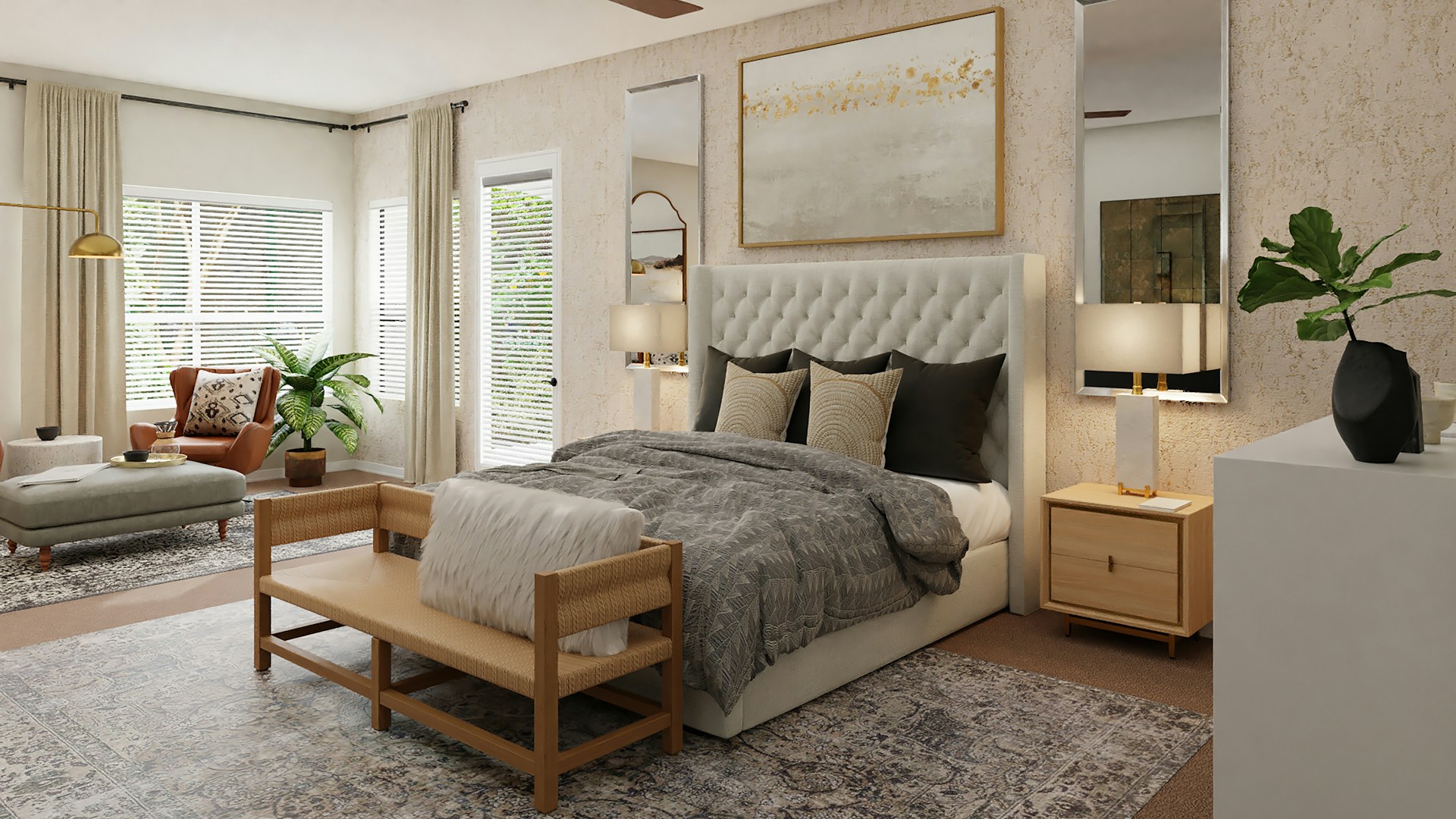
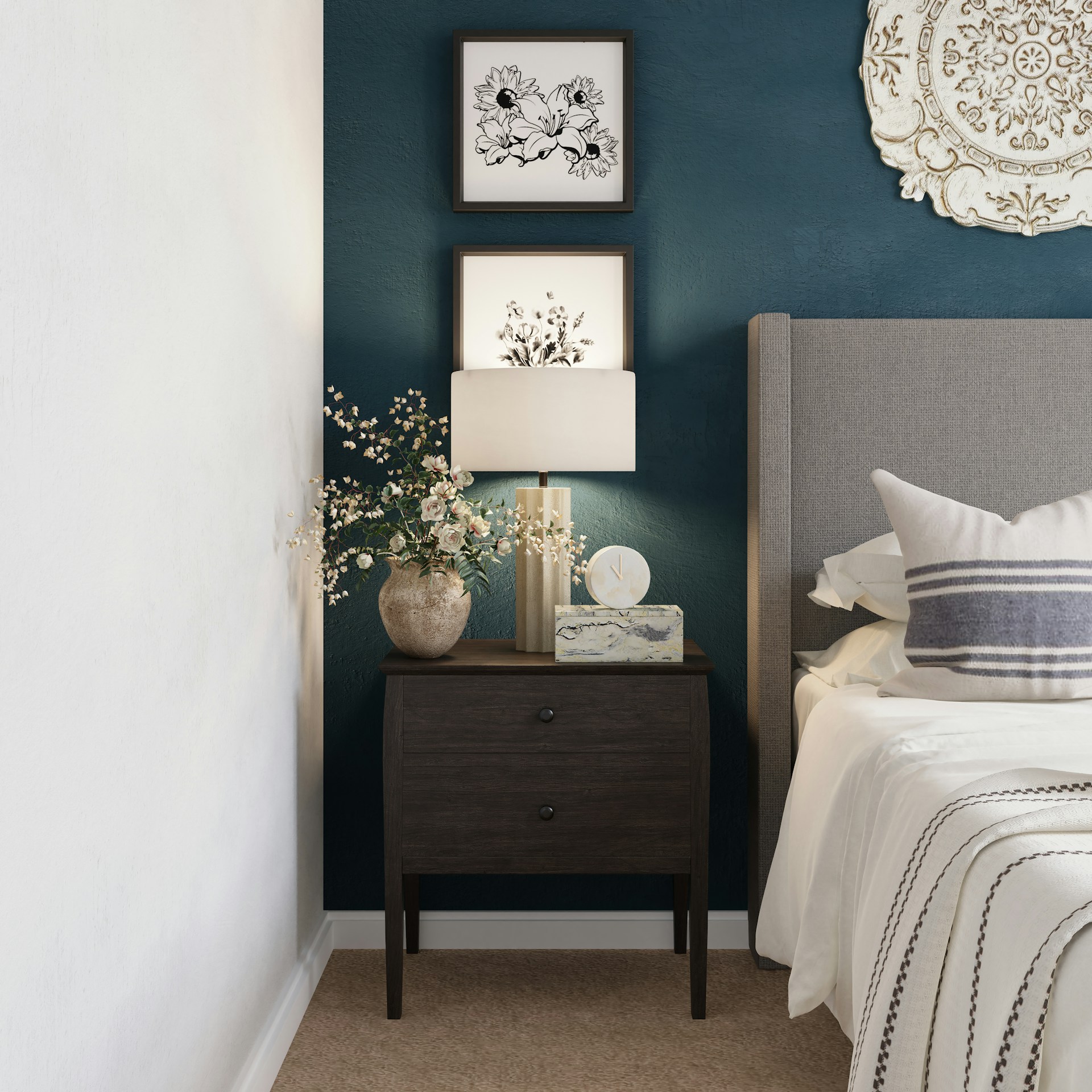
The right decorative piece can change the entire atmosphere of a room. A beautiful interior is not created by filling every empty surface. It is created by choosing objects that work together, complement the space, and express something about the people who live there.

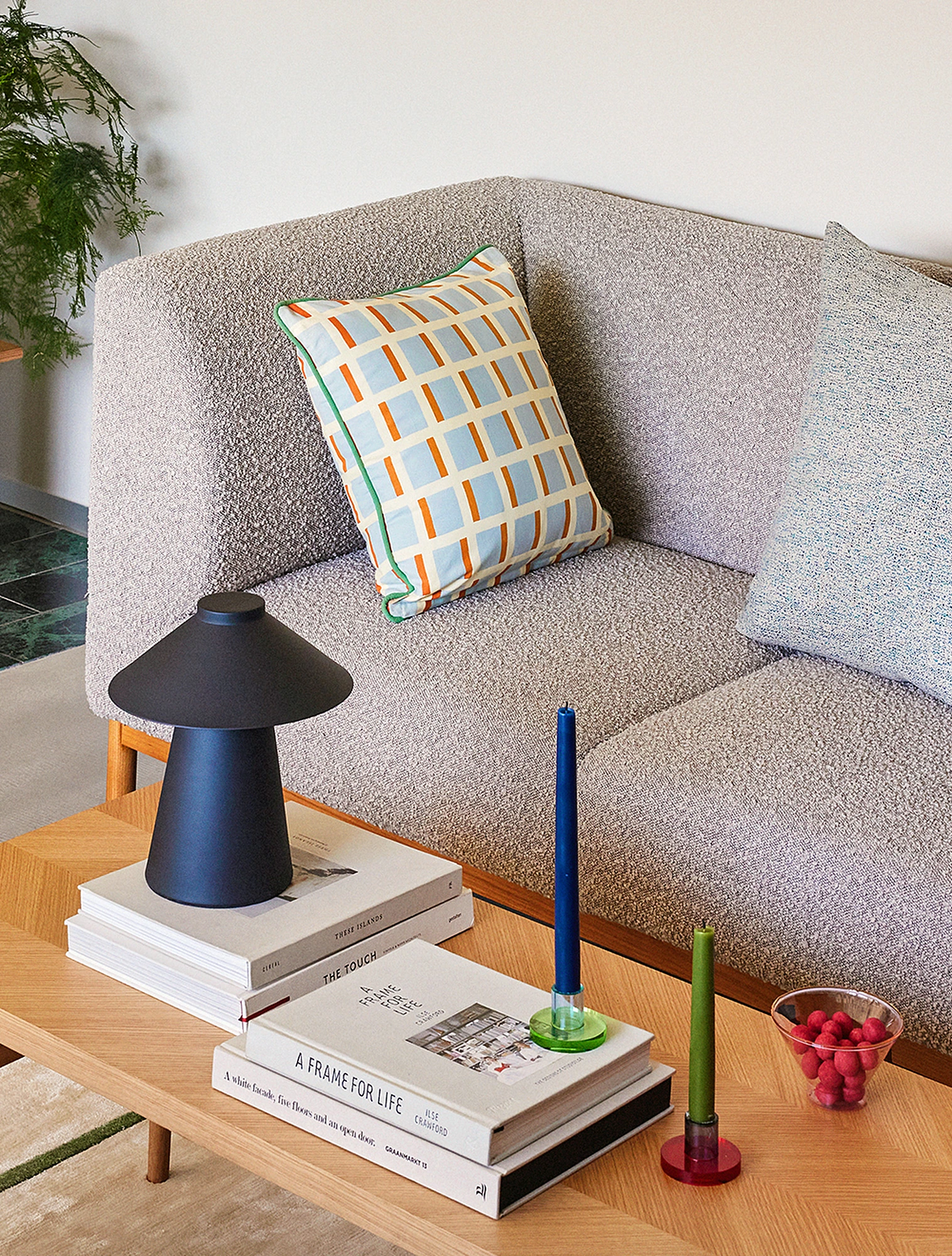
A vase can become a quiet focal point. A mirror can bring light into a darker corner. A sculptural object can add personality to a simple shelf. A candle can make an evening feel warmer.

The possibilities are endless. But with so many beautiful pieces available, how do you know what truly belongs in your home?

The answer begins with intention.

Before buying a decorative object, take a moment to look at the room. Notice the colors, furniture, lighting, materials, and proportions already there. Is the space minimal or layered? Warm or cool? Light or dramatic? Modern or more traditional?

The answers will help you understand what is missing. Maybe the room needs more texture. Maybe it needs a stronger focal point. Perhaps the furniture is visually heavy and would benefit from lighter, more delicate accessories. Or maybe everything is neutral and a small amount of color would bring the space to life.

Don't start with the object. Start with the atmosphere.

You don't need every object to match. In fact, perfectly matching accessories can sometimes make a room feel predictable. Instead, create a color story.Choose a main palette and introduce a few complementary shades through decorative objects.

For example, warm beige and cream can be combined with brown, soft green, or muted terracotta. A neutral interior can gain depth through small touches of black, bronze, or deep blue. vThe goal is repetition without uniformity. Let the same colors appear subtly in different places.

Think About Shape

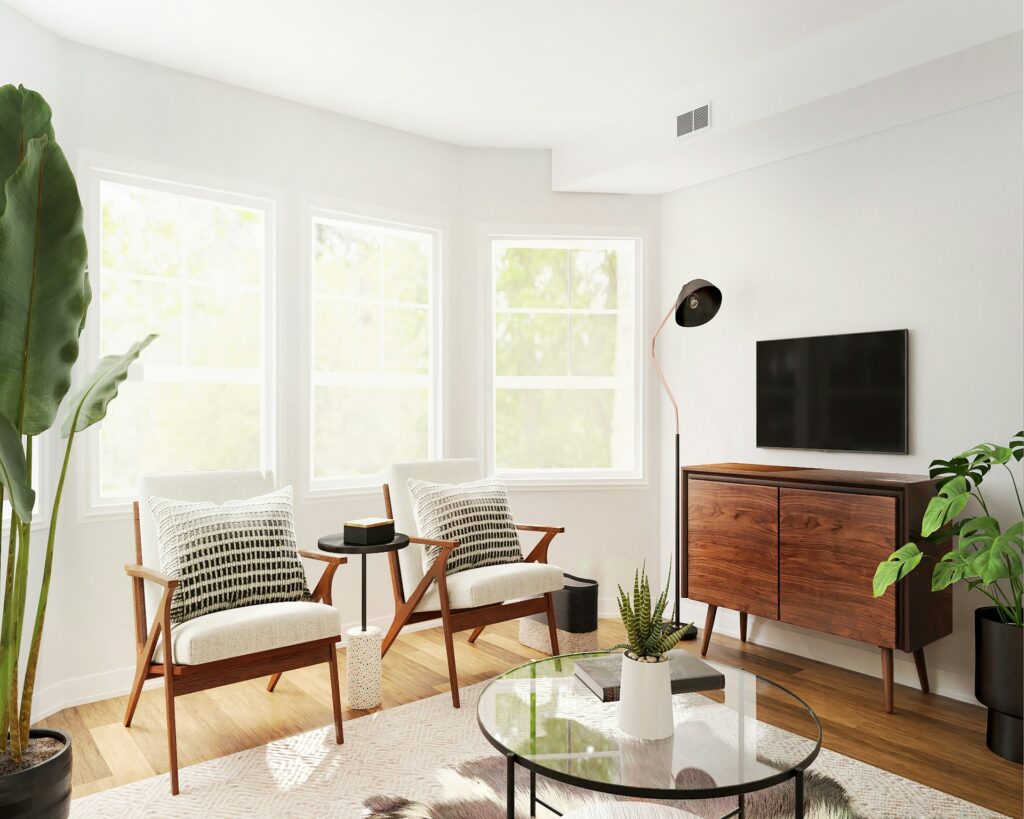
Color is only one part of the composition. Shape is equally important. If your room contains many straight lines and rectangular pieces of furniture, introducing rounded objects can soften the overall look. A curved vase, circular mirror, organic bowl, or sculptural candle holder can create contrast. On the other hand, a very soft interior may benefit from structured geometric forms. Look for a balance between straight and curved, smooth and irregular, simple and expressive. The most interesting rooms have a conversation between shapes.

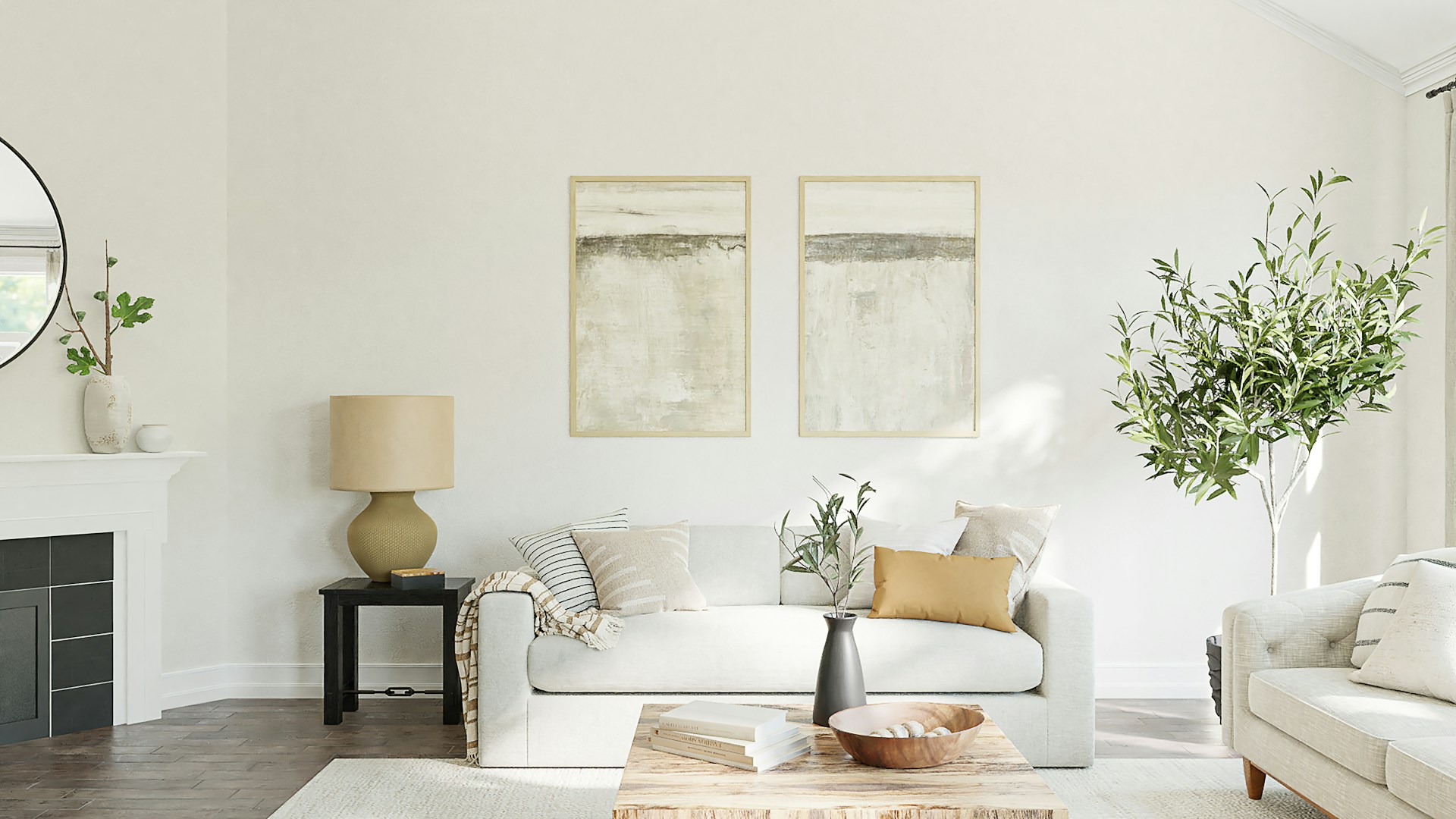
Scale can completely change how an object feels in a room. A large sculptural vase can make a dramatic statement on a console. A small ceramic piece can create a quiet moment on a shelf. The important thing is proportion. A tiny object on a large table may disappear. Several oversized objects in a small room may feel overwhelming. Try combining different sizes and heights to create rhythm.